Socialist Development in the Global South
Beyond the Cold War Divide
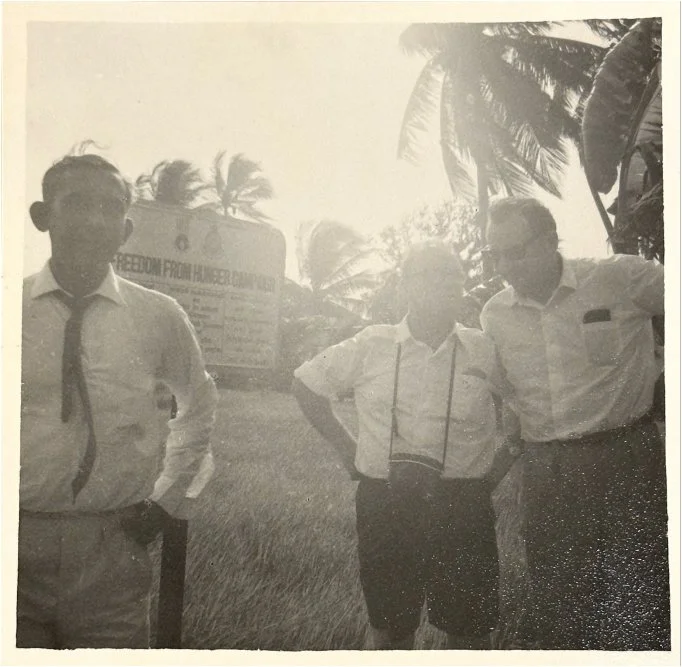
From the 1950s onwards, countries across the Eastern Bloc launched development projects throughout Africa, Asia and Latin America. These initiatives were intended to demonstrate the strengths of socialist models of development, build political alliances and foster economic partnerships with newly independent nations. They formed part of a broader struggle for influence in the Global South, as capitalist and socialist states competed to win hearts, minds and partners.
This strand of the project explores how socialist development actually worked on the ground. Moving beyond high-level diplomacy and ideological debates, we trace development projects throughout their lifecycles to understand how they were implemented, experienced and negotiated by the people involved.
Our research investigates how local communities perceived Eastern Bloc development personnel and projects, whether socialist approaches were experienced differently from Western interventions, and how development outcomes were shaped by grassroots responses. It also examines the often-overlooked relationship between development assistance and commercial activity, asking where the boundaries lay between aid, expertise and profit.
Development, Solidarity and State Socialism
Socialist development was often presented as fundamentally different from Western aid. Eastern Bloc governments framed their interventions as partnerships between equal nations, rooted in anti-colonial solidarity and shared aspirations for economic transformation.
In practice, however, the boundaries between political solidarity, technical assistance and commercial interests were often blurred. Development projects involved governments, state-owned enterprises, engineers, consultants, local officials and communities, each bringing their own priorities and expectations.
Our research investigates these tensions by examining how socialist development projects were planned, financed and implemented, and how they were received by the communities they were intended to benefit. It asks whether socialist development generated distinctive experiences on the ground, and how it compared with the better-known development programmes of Western donors and international organisations.
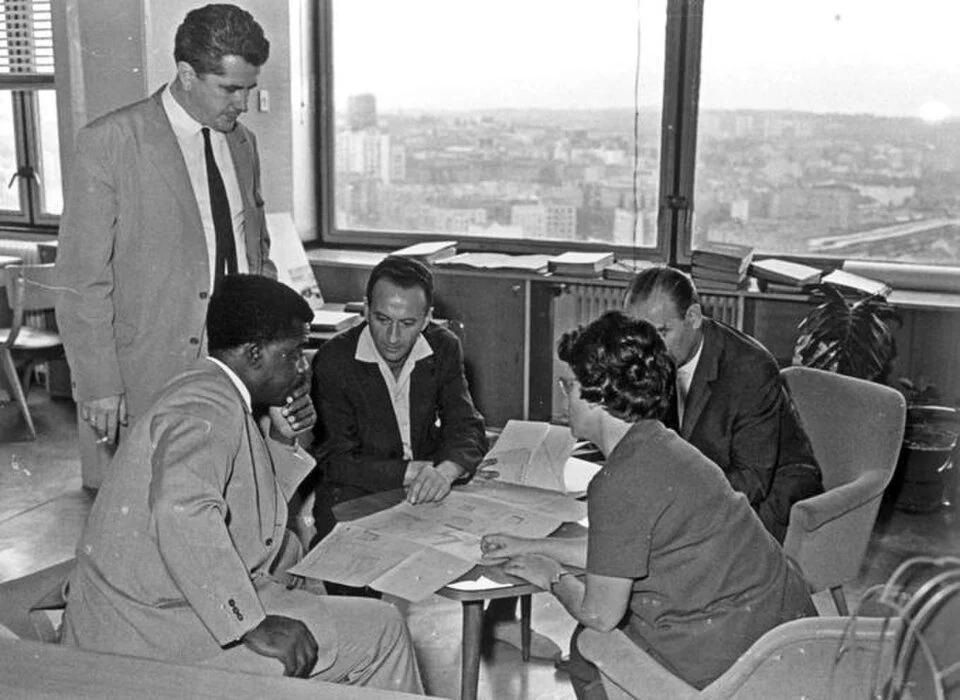

This strand of the project explores how socialist development actually worked on the ground

The boundaries between political solidarity, technical assistance and commercial interests were often blurred

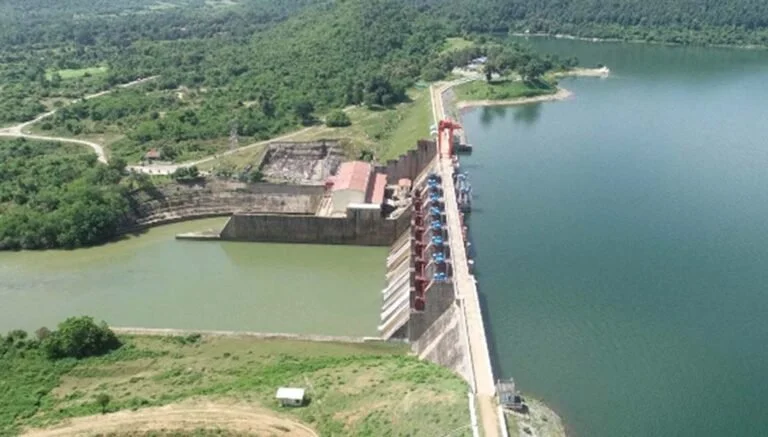
Infrastructure development was shaped by engineering expertise, planning, local politics, environmental conditions, and community responses.
Building Industry: Poland in Ghana
Following Ghana's independence in 1957, the country became a major destination for development assistance from both sides of the Cold War divide. Alongside partnerships with Western governments and international agencies, Ghana cultivated close relationships with socialist states seeking to support industrialisation and economic development.
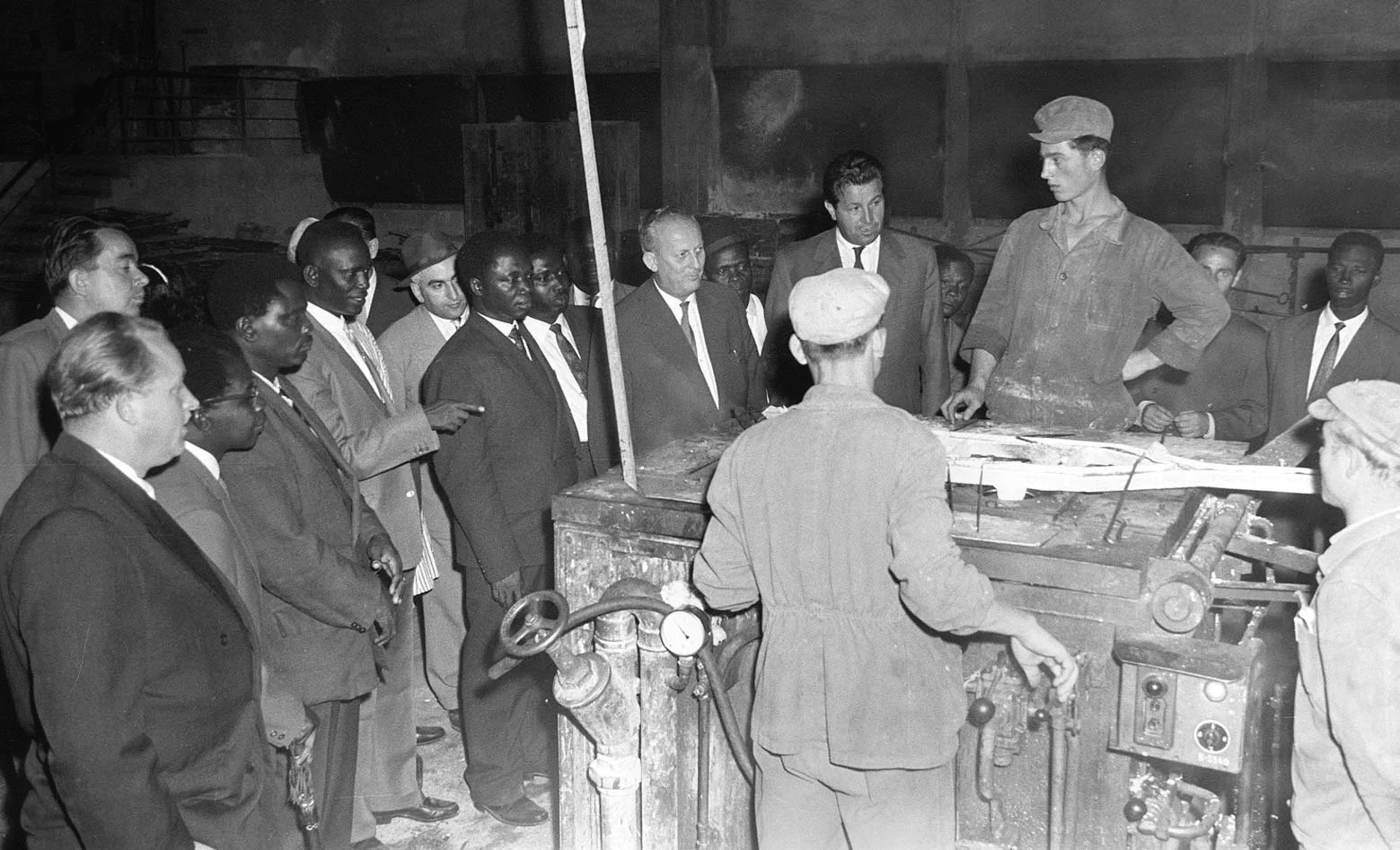
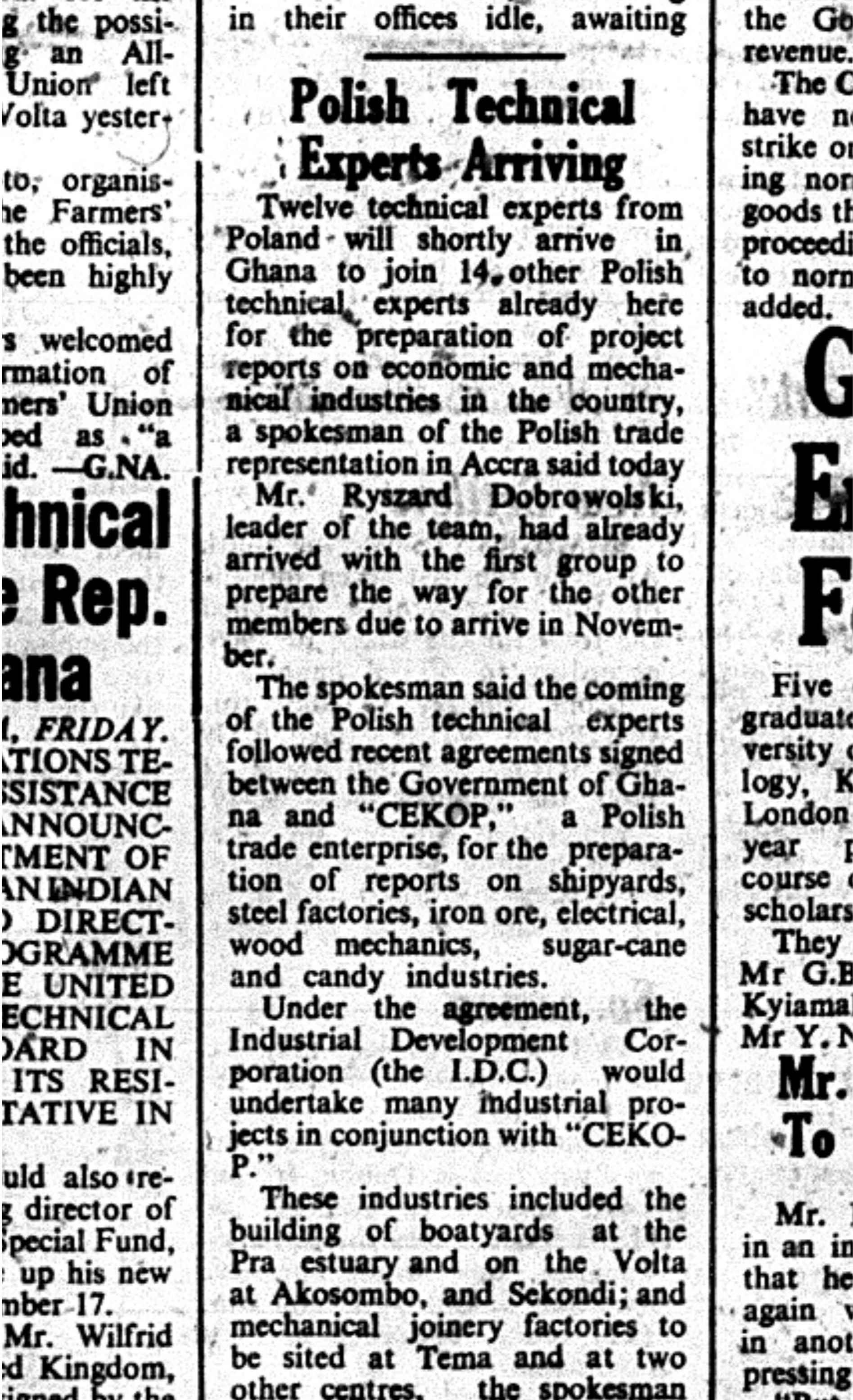
Our research examines projects implemented by Poland's Ministry of Foreign Affairs (MSZ) and the state trading enterprise CEKOP-Polimex between the 1960s and the 1980s. These initiatives focused on developing mechanical industries in Accra and surrounding industrial centres, reflecting broader ambitions to accelerate industrial modernisation in postcolonial Ghana.
By tracing these projects from planning and financing through implementation and long-term outcomes, we explore how Polish engineers, Ghanaian officials, industrial workers and local communities interacted within a shared development framework. The project offers new insight into how socialist development functioned in practice and how it was perceived by those involved.
Engineering Development: Yugoslavia in Burma and Guyana
Yugoslavia occupied a distinctive position within the Cold War world. As a leader of the Non-Aligned Movement, it maintained connections with both socialist and non-socialist countries while developing an extensive international development and engineering presence across the Global South.
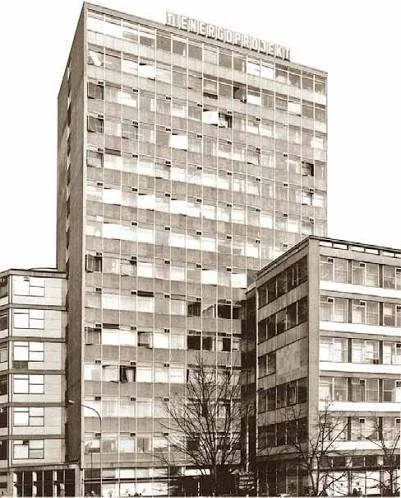
A central actor in these efforts was Energoprojekt, a Belgrade-based engineering and consulting conglomerate that became involved in major infrastructure projects around the world.
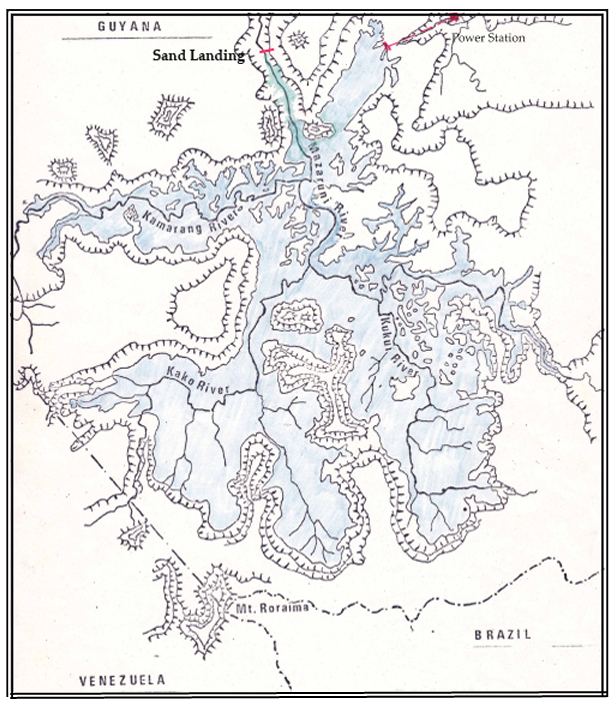
Our research follows two significant examples. The first is the Zawgyi Hydroelectric Power Plant in Burma (now Myanmar), a project that reflected postcolonial ambitions for industrial and economic development. The second is the Upper Mazaruni Hydroelectric Project in Guyana, a scheme that underwent repeated redesign and rescoping while generating significant consequences for Indigenous Akawaio communities.
These projects reveal how infrastructure development was shaped not only by engineering expertise and national development plans, but also by local politics, environmental conditions and community responses. By examining their full lifecycles, we explore the complex relationship between international expertise and local experience.