Development and Reproductive Politics
Family Planning, Gender, and Development
Few development interventions shaped everyday life more intimately than family planning. Across the twentieth century, governments, international organisations and development agencies increasingly viewed population growth, reproductive health and women's roles within the family as central to broader projects of economic development and social transformation.
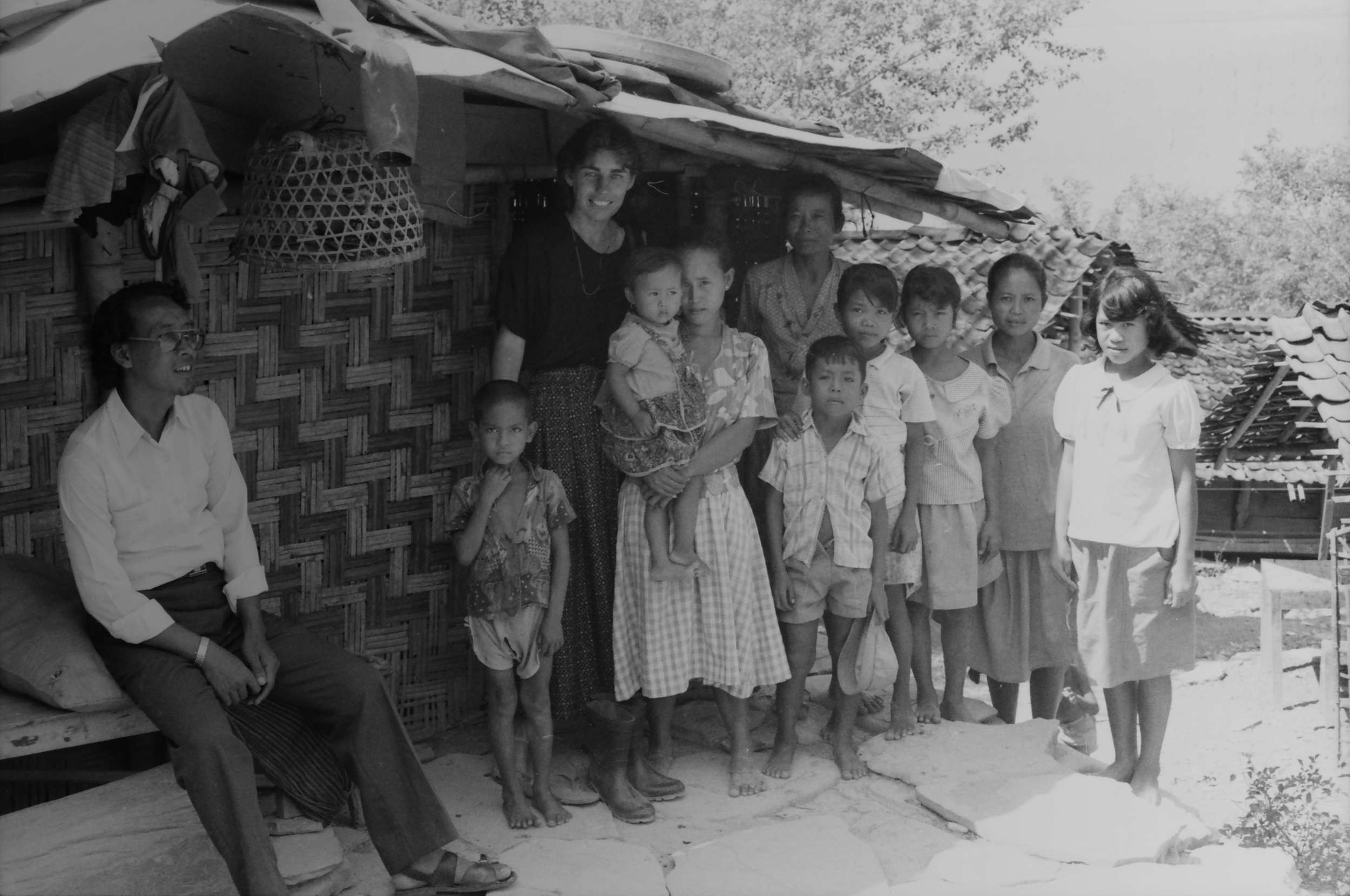
This strand of the project explores how development programmes engaged with women's lives in two of the largest countries of the Global South: Indonesia and Nigeria. Undertaken by the project’s two PhD students, this research traces family planning interventions from policy design to implementation and lived experience. We examine how development agendas were translated into local contexts, how women encountered and interpreted these programmes, and how communities, activists and local institutions reshaped development on the ground.
Together, these case studies reveal that family planning was never simply a technical intervention. It was a deeply political process that linked gender, health, citizenship, modernity and economic development, while raising fundamental questions about bodily autonomy, state power and social change.
Family planning was never simply a technical intervention. It was a deeply political process
Few development interventions shaped everyday life more intimately than family planning.
By centring women’s experiences, the research investigates how family planning was understood and experienced at the grassroots
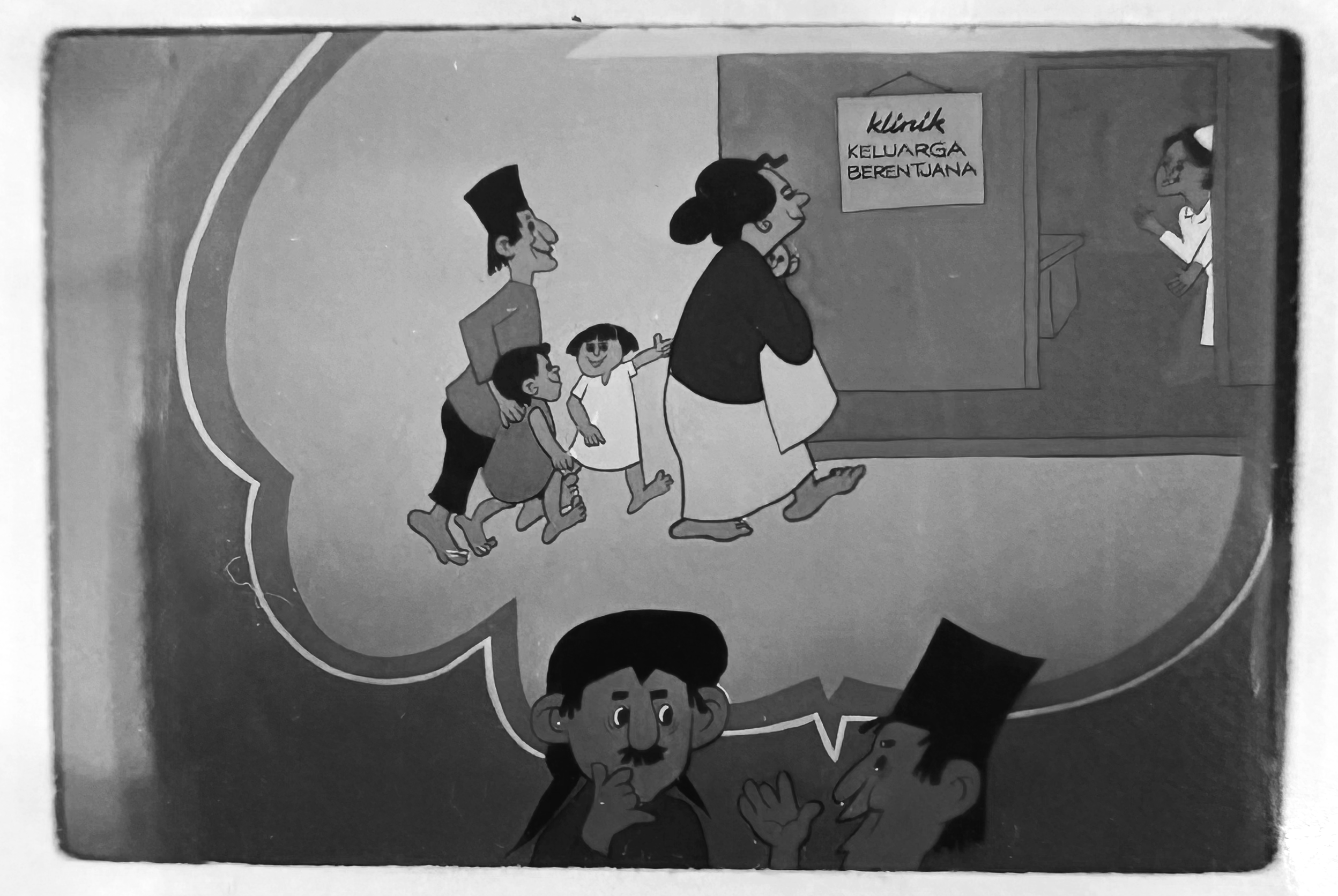
Family Planning and Developmentalism in New Order Indonesia
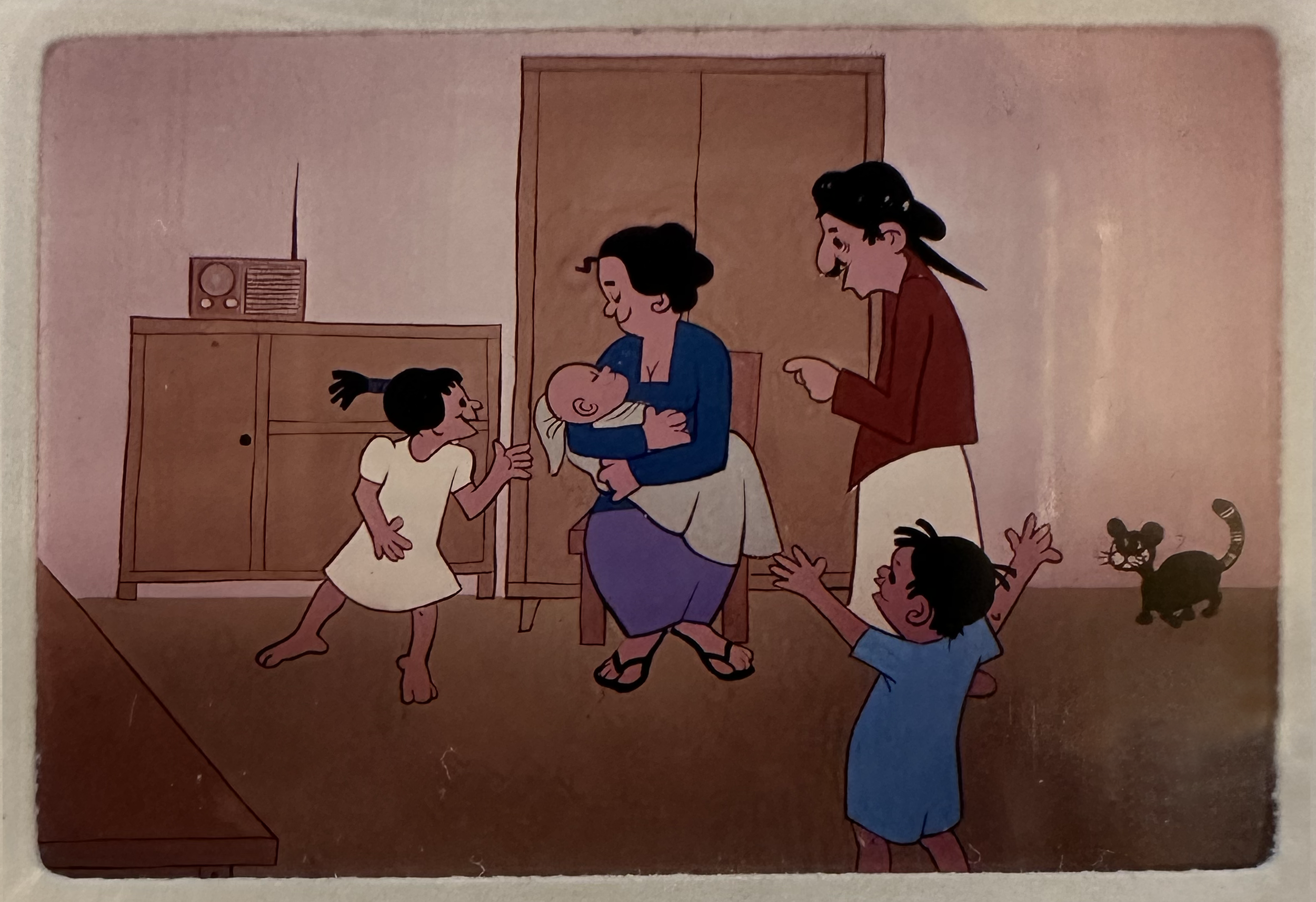
The origins of family planning in Indonesia lay in efforts to improve maternal and reproductive health during the 1950s. Early advocates promoted family planning primarily as a healthcare service designed to improve women's wellbeing and reduce maternal mortality.
Under the New Order regime, however, family planning underwent a profound transformation. As the government embraced a developmentalist vision of national progress, population growth came to be viewed as a challenge to economic stability and modernisation. Family planning became a cornerstone of the state's development agenda and was increasingly measured through targets, statistics and indicators of success.
Our research examines how these plans were translated into practice through the extensive bureaucratic machinery of the New Order state. Family planning programmes were embedded within Indonesia's Five-Year Development Plans (Rencana Pembangunan Lima Tahun, or REPELITA) and implemented through networks extending from national agencies to provincial offices and village-level institutions.
By tracing these programmes throughout their lifecycles, we investigate how development objectives were enacted, negotiated and experienced. We explore the tensions between state developmental goals and women's reproductive autonomy, while examining how communities responded to interventions that sought to reshape intimate aspects of everyday life.

Nigerian Women’s Encounters with International Family Planning
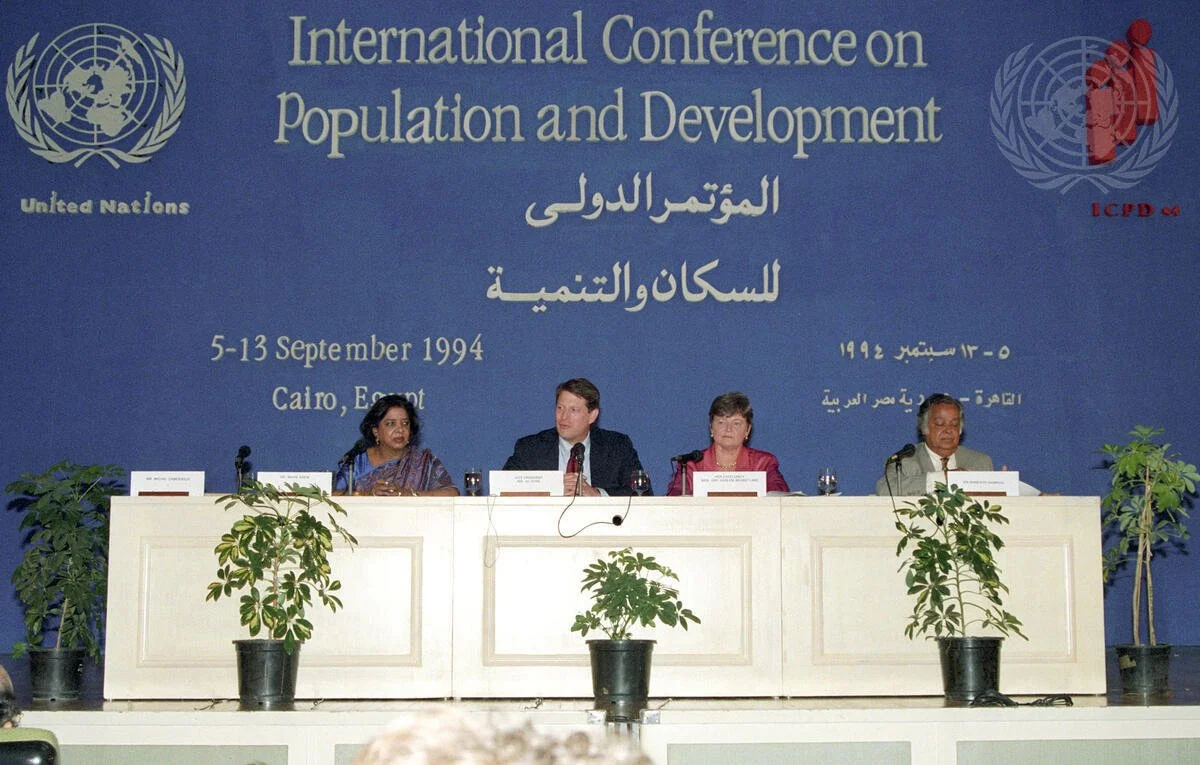
From the 1970s onwards, Nigeria became a major site for internationally funded family planning initiatives supported by organisations including USAID, UNFPA, the World Bank and a range of international NGOs. These programmes expanded significantly during a period of intense global concern about population growth, before being reshaped by changing international priorities following the 1994 Cairo Conference on Population and Development.
Development projects brought together international donors, Nigerian policymakers, healthcare providers, researchers, religious organisations, women's groups and local communities, each with their own understandings of reproductive health, family life and social change. Aligning these different priorities often proved challenging. As in many development programmes, project outcomes were shaped not only by planners and funders but also by the responses of those they sought to reach.
Our research examines how women in communities across Nigeria encountered, understood and responded to these interventions. Rather than treating family planning programmes as initiatives imposed from above, the project focuses on the complex interactions that emerged during implementation.
By centring women's experiences, the research investigates how family planning was understood and experienced at the grassroots, and how local actors influenced the direction of reproductive health programmes. It also explores the important intellectual and political contributions of Nigerian women's organisations, researchers and community leaders in shaping national debates about development, health and reproductive rights.