Global microhistories of development

Following Development from Planning to Implementation
How did international development projects actually unfold? What happened when global ideas about development encountered local realities? And how were projects reshaped by the people they were intended to serve?
This strand of the project traces four major development programmes across the course of their lifecycle, from conception to long-term legacies. Together, these programmes encompass hundreds of individual projects implemented across Asia, Africa and Latin America between the 1950s and the 1990s.
Spanning community development, agricultural modernisation, infrastructure, and public health, these case studies reveal the diversity of twentieth-century development interventions and the complex relationships between international agencies, national governments, local intermediaries and communities.
Selected after extensive preliminary research in archives across multiple countries, the programmes provide a unique opportunity to examine development projects throughout their entire lifecycles—from planning and funding to implementation, reception, resistance and afterlife.
The Green Revolution on the Ground: India and Indonesia
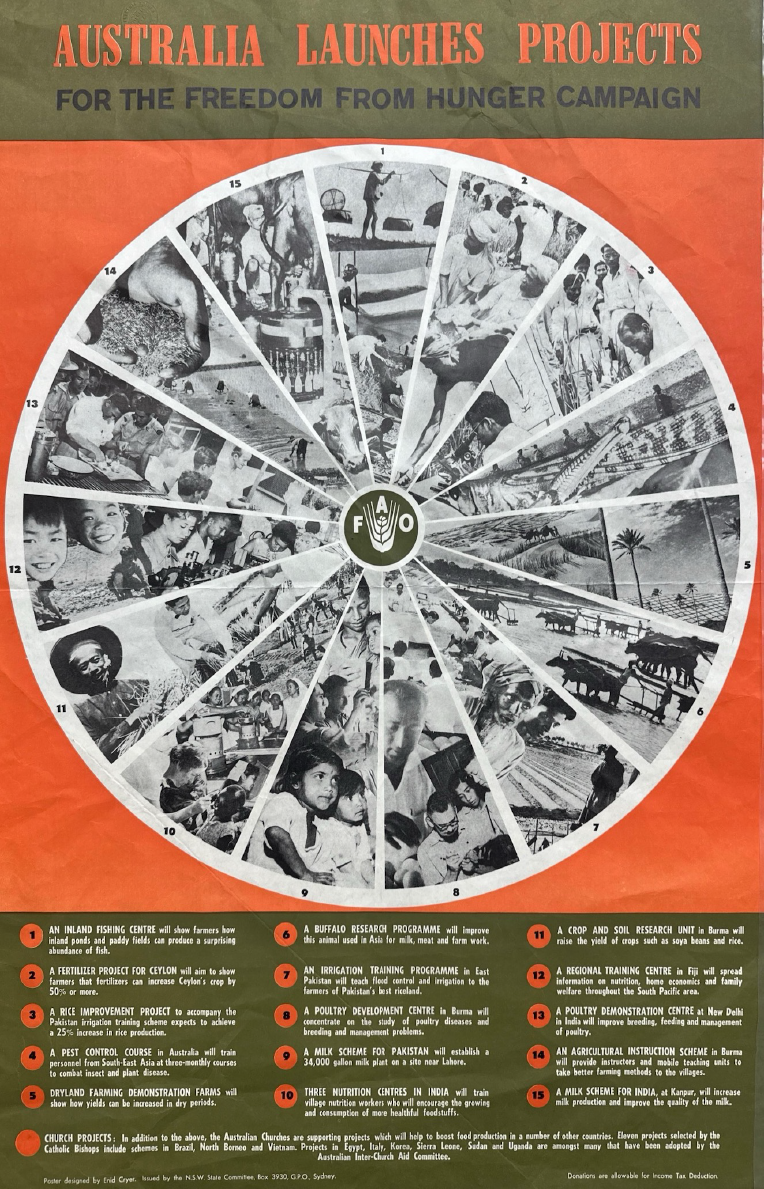
In 1960, the UN Food and Agriculture Organization launched the Freedom from Hunger Campaign, one of the most ambitious development initiatives of the twentieth century. Within a decade, its programmes reached more than one hundred countries and played an important role in advancing agricultural modernisation.
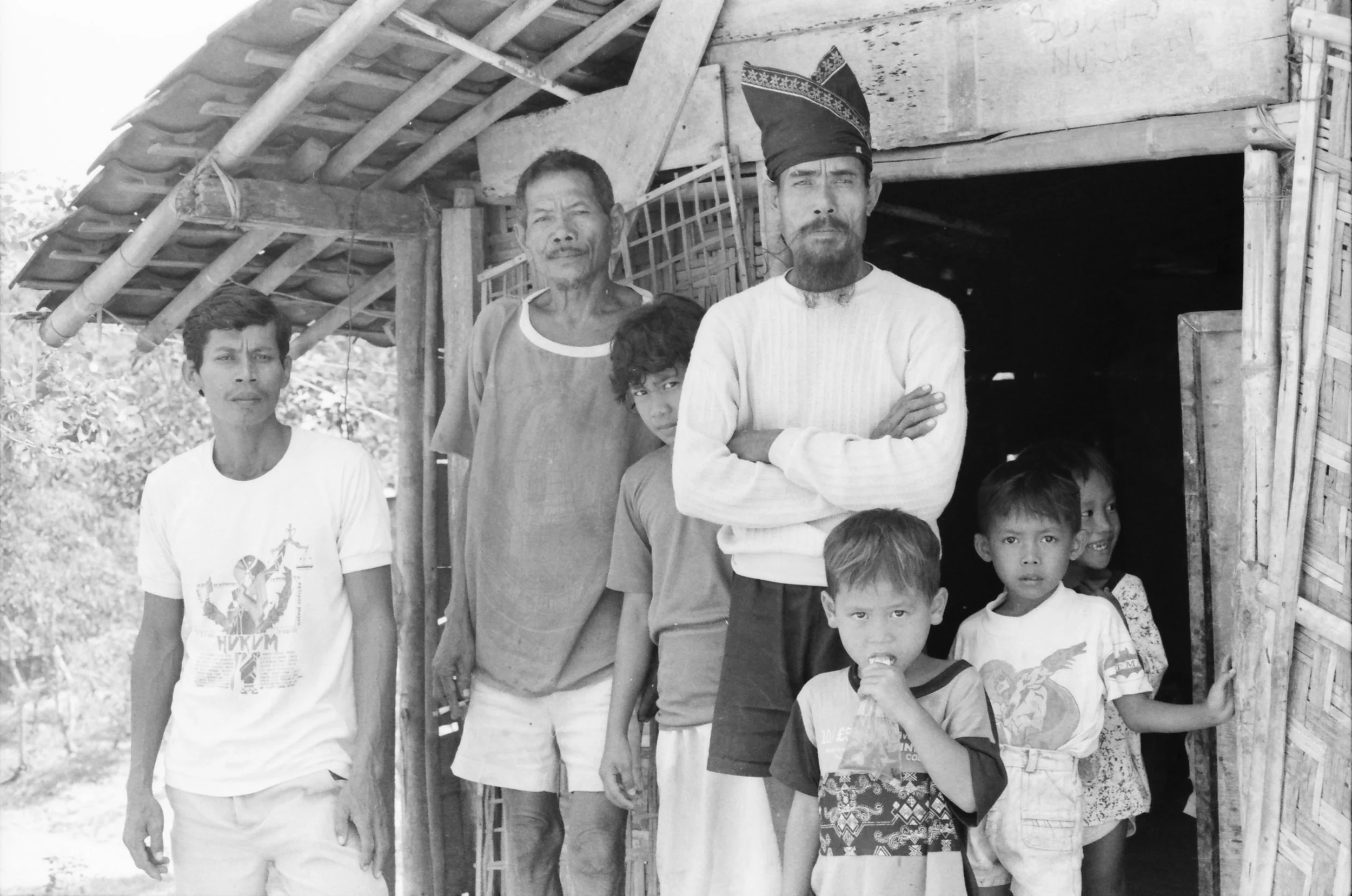
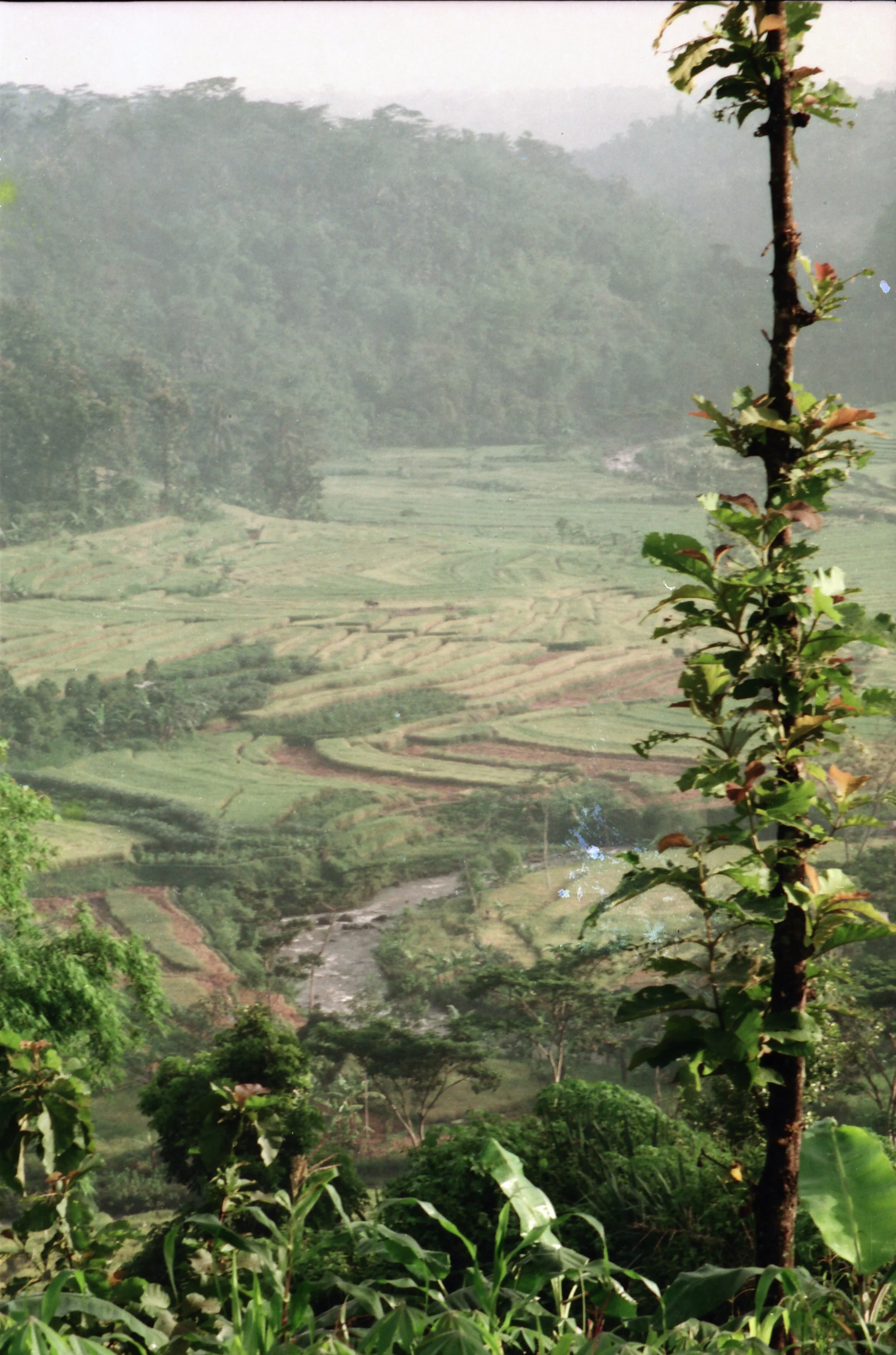
Our research examines selected FAO-funded projects in India and Indonesia to understand how these interventions were experienced by farmers and rural communities. These projects formed part of the broader Green Revolution, a period of rapid agricultural transformation that dramatically altered farming practices, labour systems and patterns of mobility across much of the Global South.
By focusing on implementation rather than policy alone, we investigate the contested local dynamics of agricultural change and explore how communities adapted to, resisted or reworked development programmes designed to increase productivity and combat hunger.
Dams, Displacement and Resistance: The Kedung Ombo Project
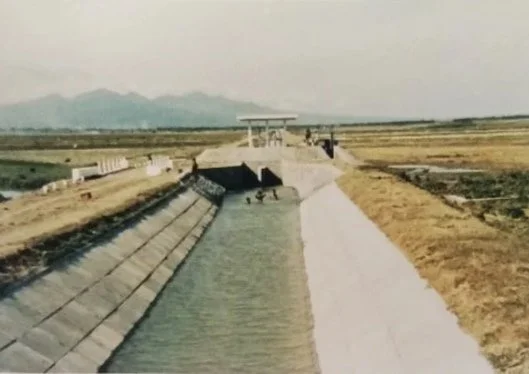
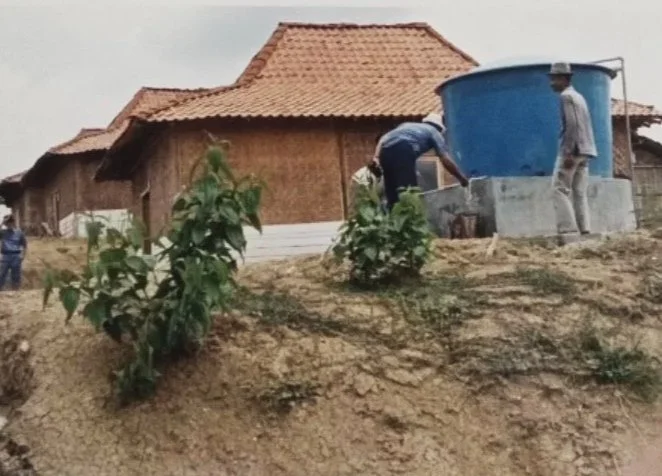
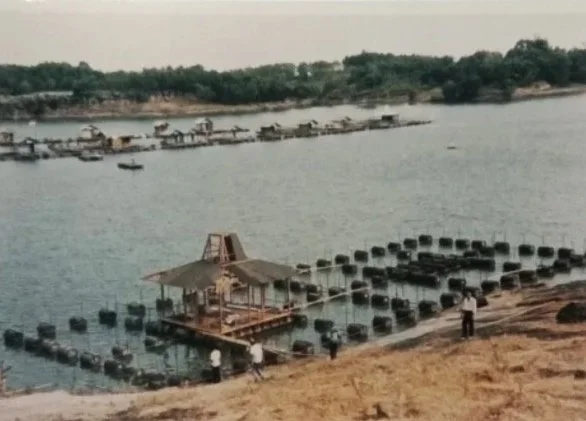
Large-scale infrastructure projects have long been among the most visible—and controversial—forms of international development. Few illustrate these tensions more clearly than the Kedung Ombo Dam in Central Java.
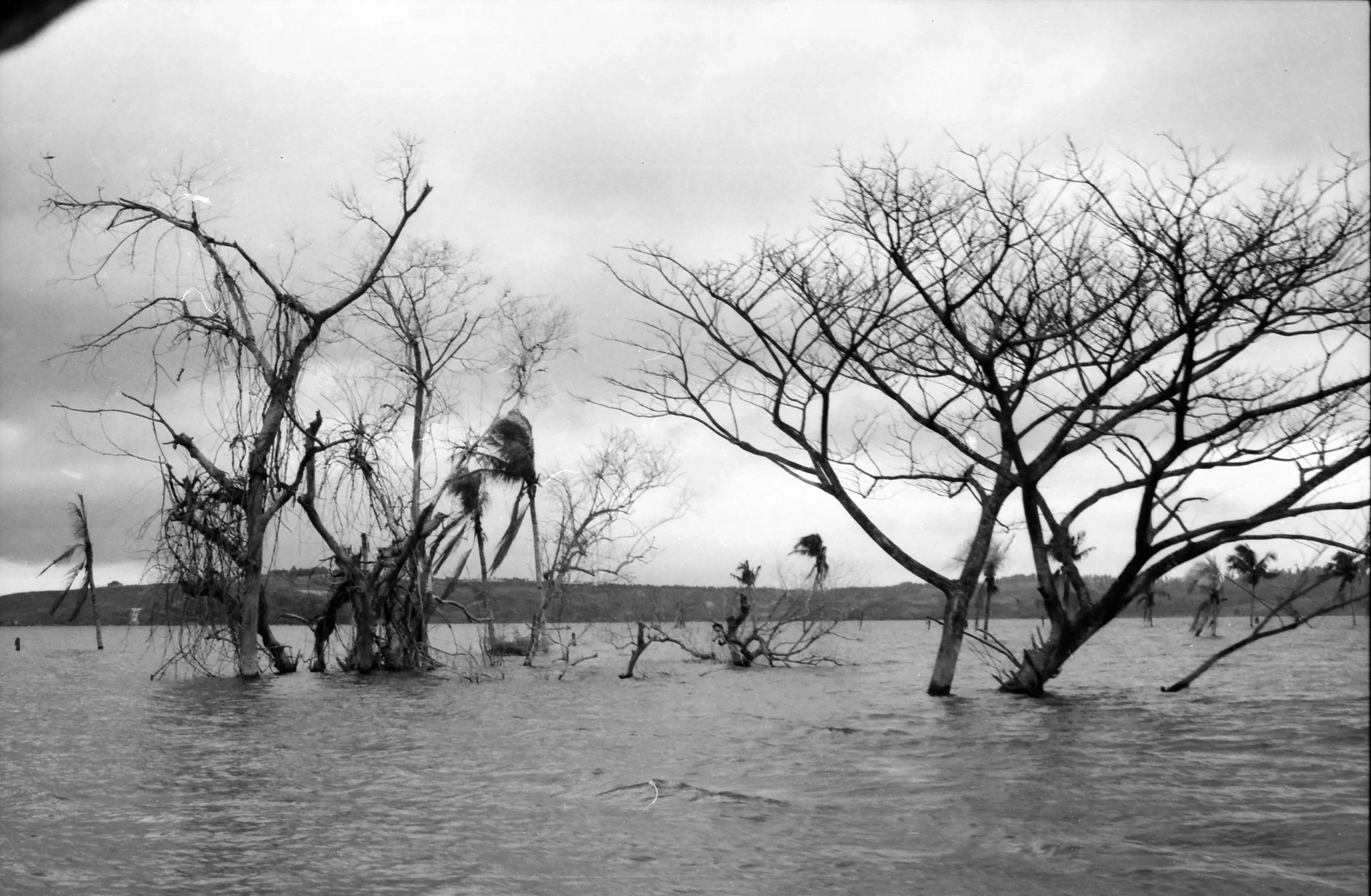
Constructed during Indonesia's New Order period from World Bank funds, the dam was part of a wider programme of state-led development and modernisation. Yet its construction also displaced thousands of people and generated significant social upheaval.
Kedung Ombo became a powerful symbol of grassroots resistance—not only to the Suharto regime, but also to the development model promoted by international financial institutions and supported by national elites, who claimed many of their benefits. By tracing the project throughout its lifecycle, we reconstruct the emergence of local, national and international advocacy networks and examine how affected communities challenged powerful development actors.
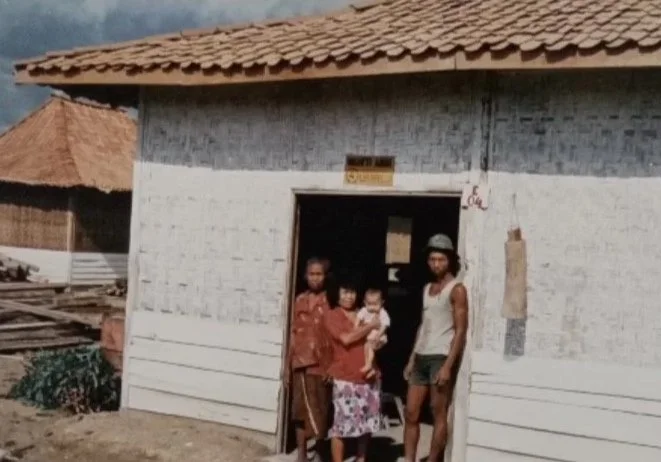
The project also enables us to explore the enduring consequences of development interventions, including displacement, resettlement and the long-term social legacies that continue long after projects officially end.
Community Development and the Anthropologists: Cornell in Peru, India and Thailand
In the decades following the Second World War, universities played a crucial role in shaping new ideas about development. Among the most influential initiatives was Cornell University's Program on Culture and Applied Social Sciences (CUPCASS), which sought to apply anthropological knowledge to development challenges.
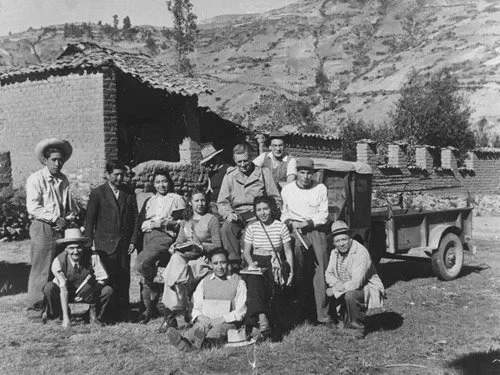
The programme's best-known initiative, the Cornell-Peru Project, became an internationally celebrated experiment in community development and applied anthropology. Yet Cornell also undertook ambitious projects in India and Thailand that have received far less scholarly attention.
By tracing these projects from their origins in Ithaca, New York, to communities in Vicos (Peru), Senapur, Rankhandi and Gohana-Kala (India), and Bang Chan (Thailand), we explore some of the earliest encounters between development experts and local populations in the post-war era. These projects provide a rare window into how development ideas were translated into practice and how communities responded to external efforts to reshape social and economic life.
Health, Faith and Development in Postcolonial West Africa
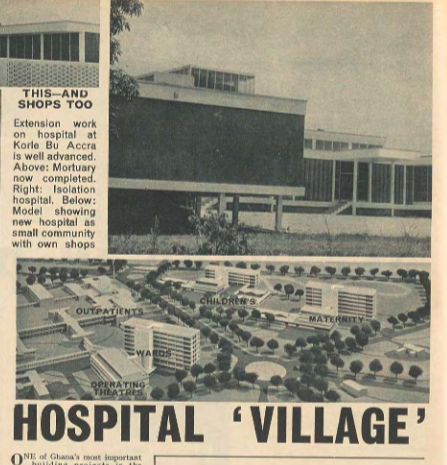
When Ghana gained independence in 1957, it quickly became a focal point for international development activity. Alongside the ambitious national development agenda of President Kwame Nkrumah, Western aid organisations expanded their involvement in health and welfare programmes across the country.
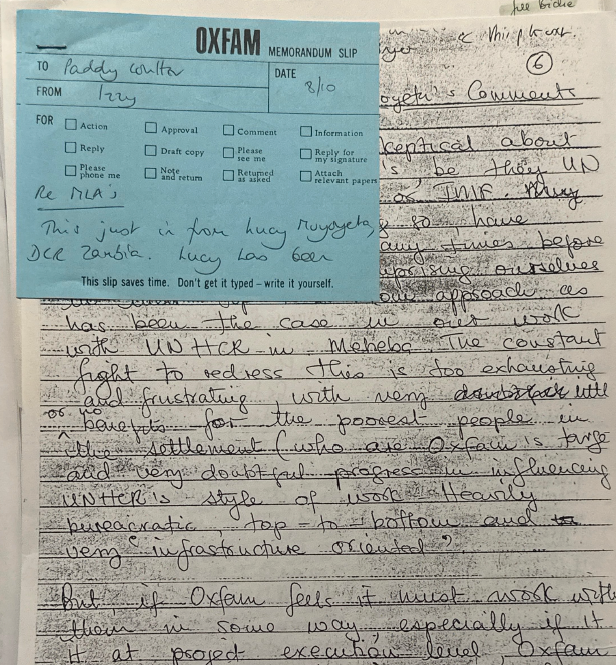
Our research follows public health projects funded by the United Kingdom's Overseas Development Administration and Oxfam in Accra and Tamale between the 1950s and the 1990s. Many of these initiatives were delivered through Catholic and White Fathers missions whose origins stretched back into the colonial period.
Examining these projects over four decades allows us to investigate how colonial institutions adapted to postcolonial realities, and how religion, culture and local politics shaped both the delivery and reception of development interventions. It also highlights the ways in which communities negotiated, challenged and transformed externally funded projects.