Rethinking the History of International Development

‘Actually Existing Development’ is a five-year, European Research Council-funded research project examining international development implementation in the twentieth century.
While historians have extensively examined the ideas, politics and institutions that shaped international development, far less is known about what happened once projects moved beyond plans and out into the field. How were development interventions received by the people they were designed to help? Were they embraced, resisted or reshaped? What social, economic and material changes did they produce, and what legacies remain today?
Our research addresses these questions by tracing internationally financed development projects across their entire lifecycles. By following projects from conception to implementation, evaluation and aftermath, we seek to uncover the lived realities of development and the diverse actors who shaped its outcomes across Asia, Africa and Latin America.
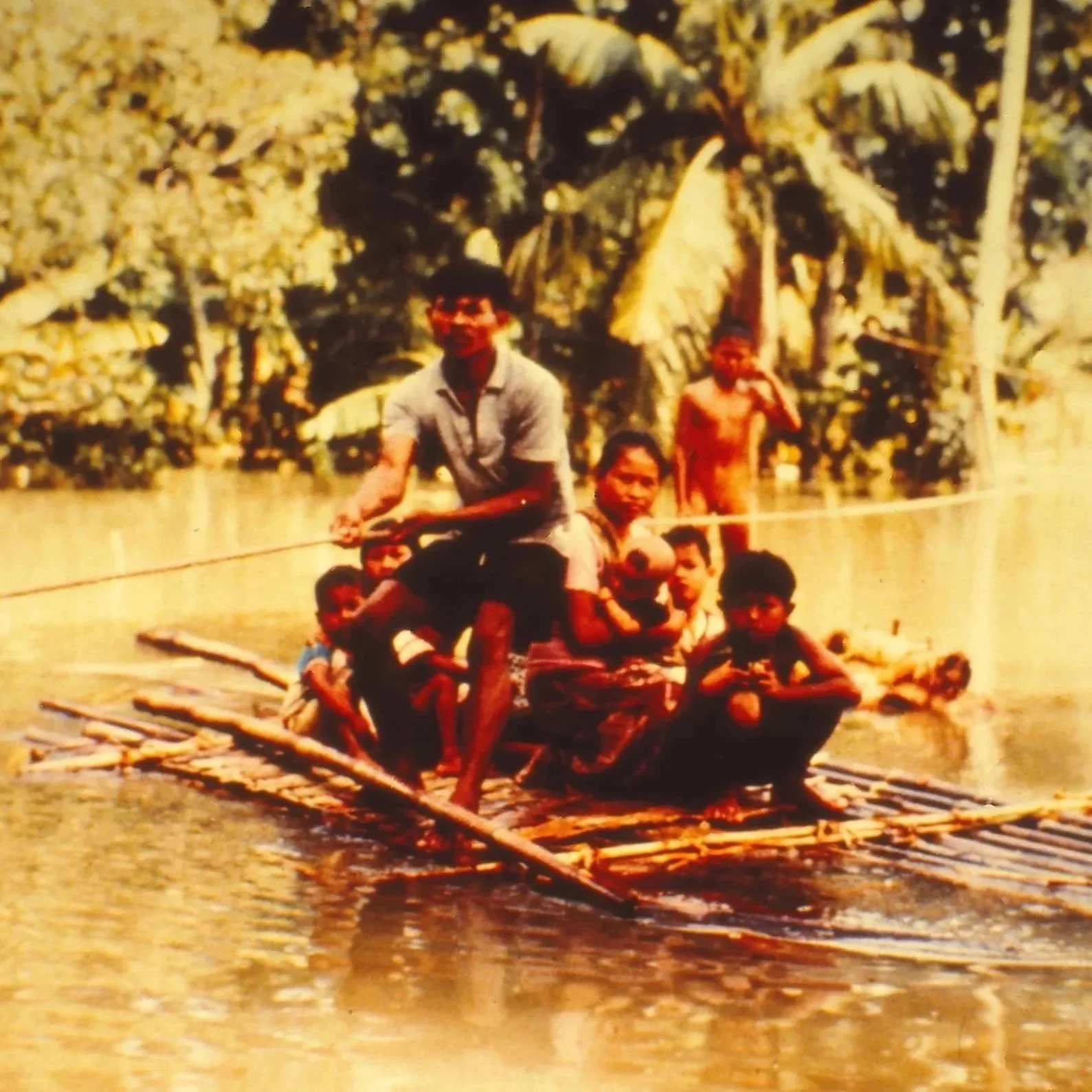

How were development interventions received by the people they were designed to help? Were they embraced, resisted or reshaped?

By following projects from conception to implementation, evaluation and aftermath, we seek to uncover the lived realities of development

Projects were continually adapted, contested and renegotiated by the people responsible for delivering them and by the communities they targeted.
Looking Beyond Plans and Policies
International development – the cross-border transfer of funding, expertise and resources for developmental purposes – was one of the defining features of the twentieth-century international order. Trillions of dollars were invested in development projects around the world, influencing everything from agriculture and infrastructure to education and public health.
Yet development did not unfold exactly as policymakers intended. Projects were continually adapted, contested and renegotiated by the people responsible for delivering them and by the communities they targeted.
Actually Existing Development places these often-overlooked experiences at the centre of analysis. We focus particularly on implementation as a dynamic process, examining how mid-level officials, local intermediaries and grassroots actors influenced the direction and outcomes of development initiatives. In doing so, we bridge top-down and bottom-up perspectives to build a richer understanding of how development worked in practice.
New Sources, New Perspectives
To understand development from multiple viewpoints, we draw on a wide range of overlooked and underused sources.
Our research combines institutional records – including previously neglected project files, field reports and ethnographic studies – with materials produced by aid-receiving communities and local intermediaries. These include personal correspondence, photographs, vernacular publications, activist materials, anthropological field notes and local newspapers.
A central component of the project is an extensive programme of oral history interviews conducted in multiple languages across the Global South. These interviews enable us to recover the experiences, memories and perspectives of people whose voices have often been absent from the historical record, offering new insights into how development was understood, experienced and contested by those most directly affected.
By uncovering how development projects operated in practice, the project aims to transform our understanding of international development history and its lasting impact on societies across Asia, Africa and Latin America.